Water Extraction in Tracy, CA
Standing water keeps soaking into pad, drywall and subfloor until it is physically pulled out. The extraction crew removes it with truck-mounted equipment, then the drying team takes over.
(888) 774-9605Call now for emergency water removal in Tracy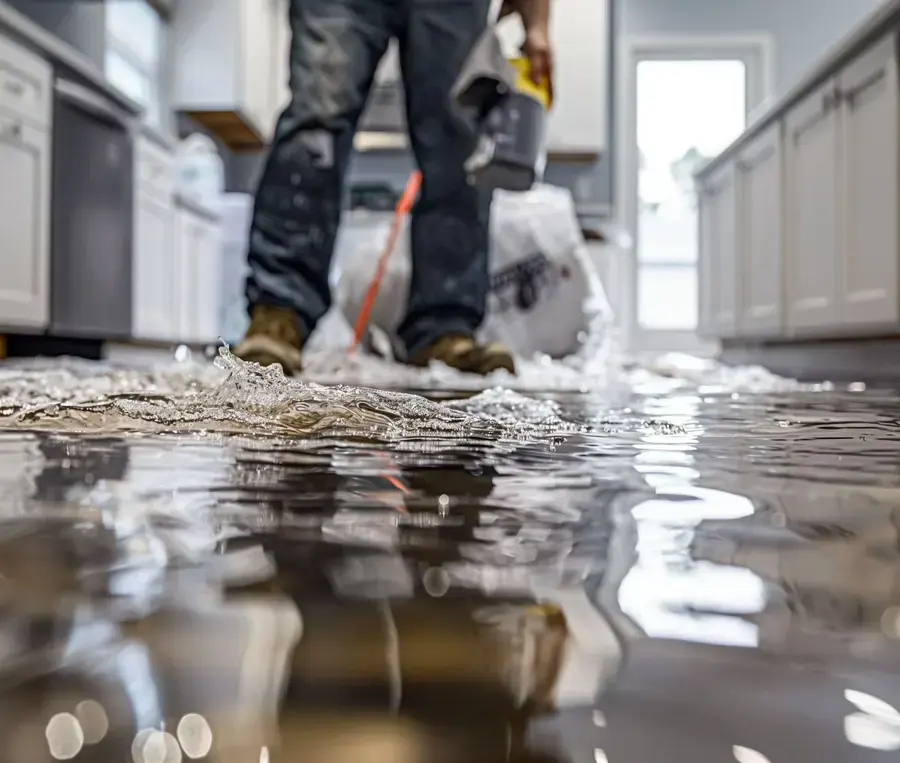
First steps for water extraction in Tracy
- 1
Shut off the water at the main or the fixture valve if it is safe to reach.
- 2
Turn off breakers to wet rooms if the panel is dry, and stay out of water near outlets.
- 3
Take photos and video of the water and damage before moving anything.
- 4
Move rugs, electronics and furniture off wet floors, then call for extraction.
How water extraction is handled in Tracy
- Step 1
Map the moisture
The tech who does the walkthrough maps moisture with thermal imaging and pinless meters before any equipment goes down.
- Step 2
Extract the water
The extraction crew pulls standing water with truck-mounted extraction so it leaves the building instead of moving to the next room.
- Step 3
Set the drying
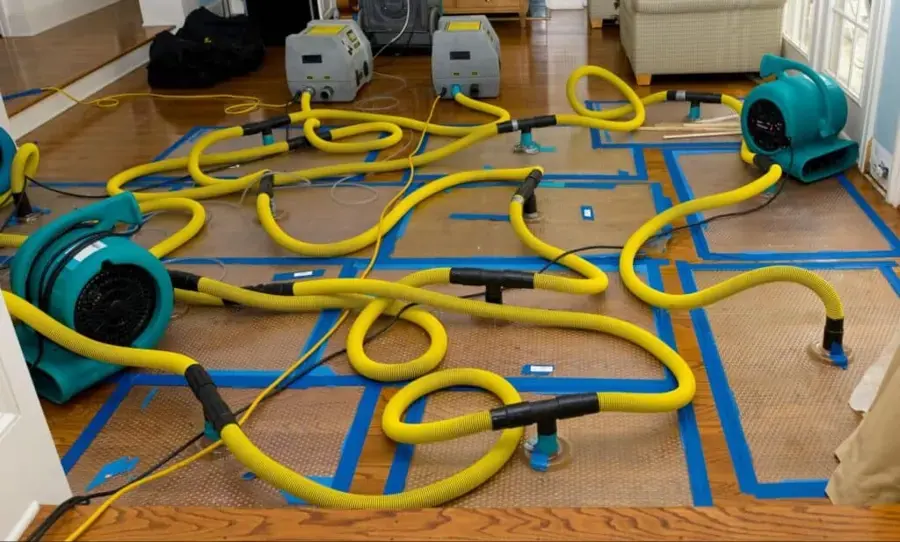
The drying team sets air movers to each room's evaporation load and runs LGR dehumidifiers to pull that moisture back out of the air.
- Step 4
Verify and document
Readings are logged daily until wet materials sit within 2 to 4 points of a dry reference, and the claim file gets the logs and photos.
What does water extraction cost in Tracy, CA?
In Tracy, CA, water extraction typically runs $350 to $3,500, depending on how much water is standing, the water category, how many rooms it reached and whether flooring has to come up.
Single room, clean water
$350 to $1,000- Truck-mounted pass
- Pad lift and check
- Moisture map
Several rooms or two floors
$1,000 to $2,200- Carpet and pad extraction
- Portable units upstairs
- Air movers set
Deep or contaminated water
$2,200 to $3,500+- Pumps for deep water
- Category 3 handling
- Flooring removal
For a closer planning number, try the water damage cost calculator. A firm price comes from the restoration company after it sees the damage.
Extraction is the single biggest lever on the size of a water loss. A wet vac moves a few gallons at a time; a truck-mounted unit pulls water out of carpet, pad and hard floors fast enough that far less of it has time to wick into baseboards and the bottom of the drywall. In Tracy, where most homes sit on concrete slabs, the extraction crew works the floor surface hard because the slab under it will not drain on its own.
What extraction actually removes
Standing water is only part of it. Carpet and pad hold several times their weight in water, and laminate or engineered flooring traps water underneath where no fan can reach it. The extraction crew uses:
- Truck-mounted extraction for large volumes, with the waste water leaving the building through the hose
- Weighted extraction tools that squeeze water out of carpet and pad before the pad is judged
- Portable extractors for upstairs rooms and tight closets in two-story tract homes
- Submersible pumps when water is deep, such as a flooded garage or a low room after a storm
Once the visible water is out, the tech who does the walkthrough maps what is still wet with pinless meters and thermal imaging. That map decides where air movers and dehumidifiers go and which materials stay or come out.
Carpet, pad and flooring decisions
Clean water from a supply line can often be extracted and dried with the carpet left in place. Pad is cheap and usually replaced. Water from a washing machine or dishwasher is Category 2 and gets more caution, and anything from a sewer backup or outdoor floodwater is Category 3, where porous flooring is removed rather than dried. The EPA explains why speed matters in its note on moisture and indoor air: materials that stay wet past 24 to 48 hours start to grow problems that cost more than the water itself.
Extraction is not drying. A room that looks dry after extraction still holds water in the bottom plate, the drywall and the slab surface, and that water comes out only with air movement and dehumidification over several days.
Tracy losses that start with extraction
A burst washer hose on a second floor, a water heater that lets go in the garage, a toilet supply line in a hall bath, or runoff that pushes under a slider during a big winter storm. Each one starts the same way: shut off the source, pull the water, then measure. For storm water, the National Weather Service Sacramento office posts local flood watches and warnings that cover Tracy and the south Delta.
Water Extraction coverage across Tracy
The restoration team handles water extraction in every Tracy ZIP and the neighboring San Joaquin County communities.
The restoration team covers all of Tracy, from the downtown grid and Ellis to Tracy Hills, plus Mountain House, Banta, Vernalis, Lathrop and Manteca.
ZIP codes 95304, 95376, 95377, 95378 and 95391.
See every area coveredRelated water damage services in Tracy

Water Extraction questions
Can I use a shop vac instead of professional extraction?
A shop vac helps with a small spill, but it cannot pull water out of carpet pad or from under flooring. Truck-mounted extraction removes far more water per pass, which shortens drying time and lowers the chance that drywall and baseboards have to be cut out.
Will the carpet have to be thrown out?
Not always. Carpet soaked by clean water is often extracted and dried in place, while the pad is usually replaced. Carpet touched by sewage or outdoor floodwater is Category 3 and is removed, not dried.
How is water pulled out from under laminate or vinyl plank?
Water under click-together flooring cannot evaporate through it. The drying team either lifts sections to reach the slab or uses floor-drying mats connected to a vacuum system, depending on the floor type and how long the water sat.
What happens after the water is extracted?
The tech maps moisture in walls, floors and cabinets, then sets air movers and dehumidifiers sized to the rooms. Readings are taken daily until the materials reach the drying goal.
Does extraction work on a concrete slab?
Yes. Most Tracy homes are slab-on-grade, so extraction focuses on the floor covering and the slab surface. The slab itself dries slowly and is checked with meters before new flooring goes down.
Is water extraction covered by homeowners insurance?
Extraction after a sudden, accidental loss such as a burst supply line is commonly part of a covered claim, while outdoor floodwater usually falls under flood coverage. Coverage depends on your policy, so it is worth checking with your own insurer.
Standing water in a Tracy home? Get it out today.
Every hour the water sits, more of it moves into pad, baseboards and drywall. The extraction crew works day and night across Tracy and Mountain House.