Burst Pipe Cleanup in Tracy, CA
A burst supply line can release hundreds of gallons before anyone finds the shutoff. The extraction crew pulls the water, and the drying team dries every wall and ceiling cavity the water reached.
(888) 774-9605Water still spreading? Call the Tracy burst pipe crew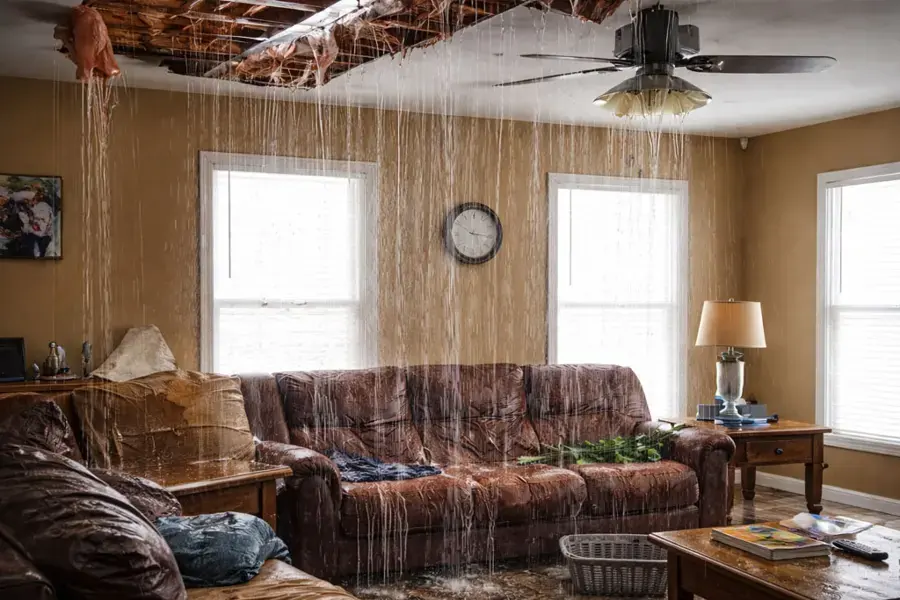
First steps for burst pipe cleanup in Tracy
- 1
Close the main shutoff, usually near the front hose bib or in the garage.
- 2
Switch off breakers for wet rooms if you can reach the panel without standing in water.
- 3
Open a low faucet to drain what is left in the lines and relieve pressure.
- 4
Move valuables, photograph the damage, then call for extraction.
How burst pipe cleanup is handled in Tracy
- Step 1
Map the moisture
The tech who does the walkthrough maps moisture with thermal imaging and pinless meters before any equipment goes down.
- Step 2
Extract the water
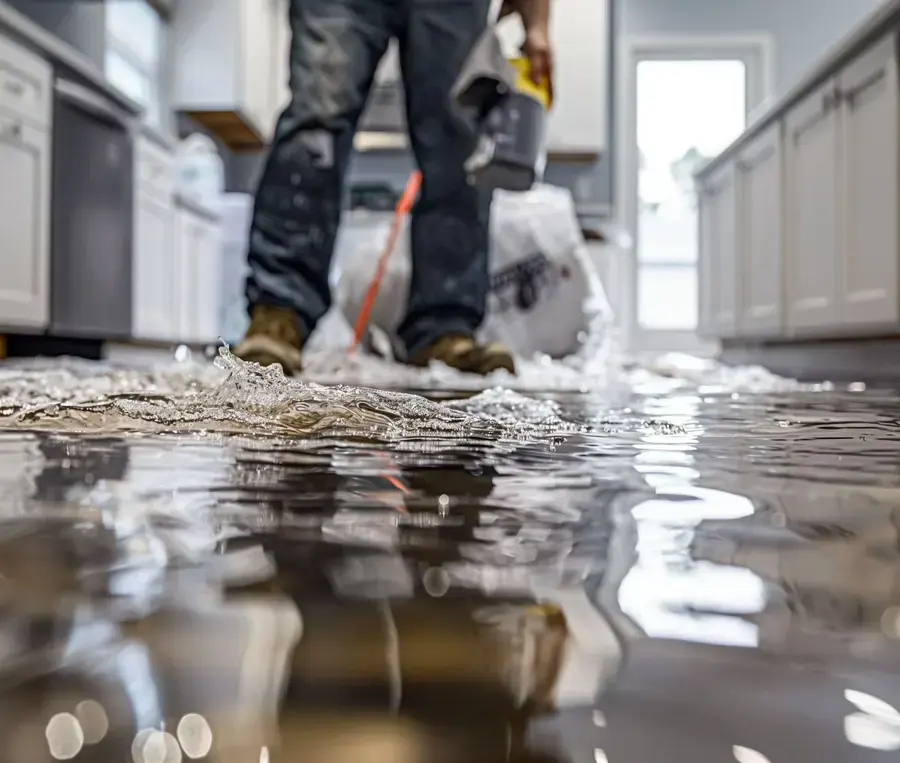
The extraction crew pulls standing water with truck-mounted extraction so it leaves the building instead of moving to the next room.
- Step 3
Set the drying
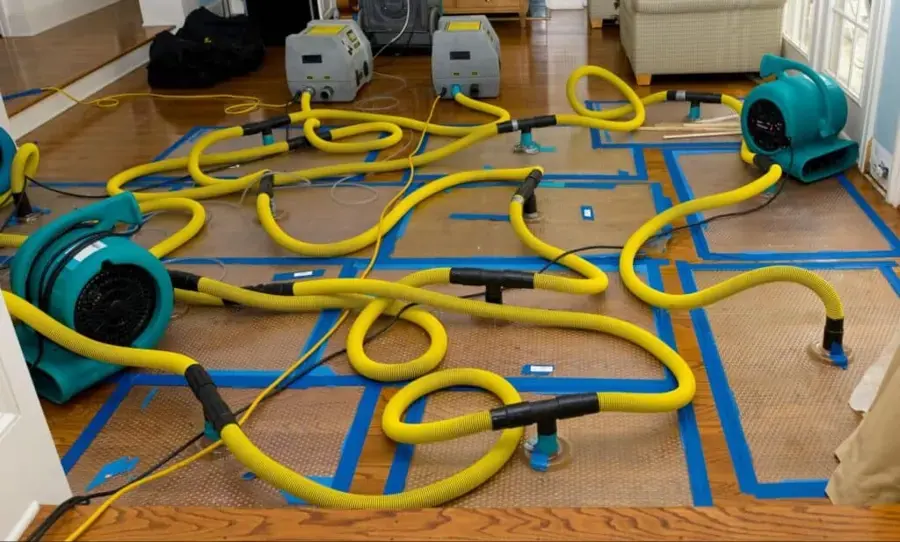
The drying team sets air movers to each room's evaporation load and runs LGR dehumidifiers to pull that moisture back out of the air.
- Step 4
Verify and document
Readings are logged daily until wet materials sit within 2 to 4 points of a dry reference, and the claim file gets the logs and photos.
What does burst pipe cleanup cost in Tracy, CA?
In Tracy, CA, burst pipe cleanup typically runs $800 to $6,500, depending on how much water was released, how many rooms and levels it reached, and whether drywall, insulation or flooring has to be removed.
One wall or room
$800 to $2,000- Extraction
- Cavity drying in place
- Daily readings
Two floors or several rooms
$2,000 to $4,500- Ceiling and wall cavity drying
- Some drywall removal
- LGR dehumidifiers
Major release
$4,500 to $6,500+- Flooring and insulation removal
- Extended drying
- Full claim file
For a closer planning number, try the water damage cost calculator. A firm price comes from the restoration company after it sees the damage.
Tracy rarely sees the deep freezes that split pipes in colder states, but lines still fail. Older homes near downtown carry galvanized steel that corrodes from the inside, and many 1990s and 2000s homes use copper that thins with age and hard water. Fittings, push connectors and pressure spikes finish the job. When a line bursts inside a wall or ceiling, the water travels down framing and along the top of the slab long before it shows.
Where burst pipes hide in Tracy homes
- Lines in exterior walls and garage walls, which see the coldest winter nights
- Upstairs bathroom and laundry lines above a first-floor ceiling
- Attic lines in homes that were repiped overhead after a slab leak
- Hose bibs and irrigation connections that split and leak back into a wall
Why cavity drying matters
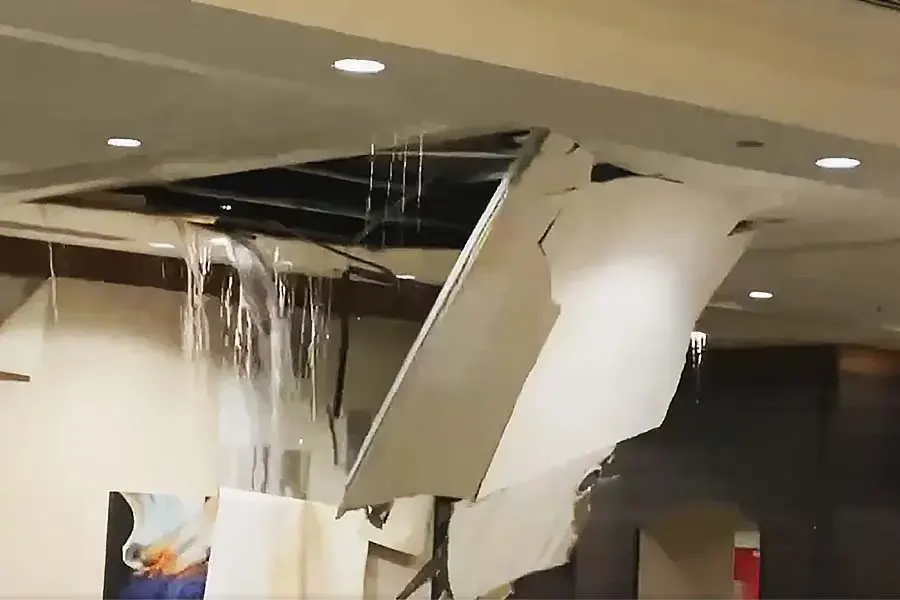
A burst line usually wets the inside of a wall more than the outside. Drywall looks fine while the insulation and bottom plate stay soaked. The tech who does the walkthrough checks each cavity with meters and thermal imaging. Where readings are high, the drying team drills small holes low on the wall or removes baseboard and uses injection drying so air reaches inside the cavity. Wet insulation that cannot dry in place is removed.
Clean water from a supply line is Category 1 when it starts, but it can degrade as it sits and picks up dirt from floors and cavities. Fast extraction keeps it clean and keeps more materials dryable.
Documentation for the claim
Sudden, accidental discharge from a burst pipe is the kind of loss many homeowners policies are written around, so the claim file matters. The restoration team records photos before any demolition, a moisture map on day one and daily readings until the drying goal is met. For shutoff basics, Ready.gov flood safety covers electrical safety around standing water, and the EPA WaterSense leak tips help you find valves and slow leaks before they burst.
Burst Pipe Cleanup coverage across Tracy
The restoration team handles burst pipe cleanup in every Tracy ZIP and the neighboring San Joaquin County communities.
The restoration team covers all of Tracy, from the downtown grid and Ellis to Tracy Hills, plus Mountain House, Banta, Vernalis, Lathrop and Manteca.
ZIP codes 95304, 95376, 95377, 95378 and 95391.
See every area coveredRelated water damage services in Tracy
Burst Pipe Cleanup questions
What should I do first when a pipe bursts?
Shut off the main water valve, turn off power to wet rooms if the panel is dry, and move valuables out of the water. Then call so extraction starts before the water spreads into more walls.
Do pipes actually burst in Tracy?
Hard freezes are rare, but pipes still fail from corrosion, hard water wear, bad fittings and pressure spikes, especially in older galvanized lines and aging copper.
Does the drywall have to be torn out?
Not always. Many cavities can be dried in place with small access holes and injection drying. Drywall comes out where readings stay high or the material has broken down.
How long does burst pipe drying take?
A contained Class 1 or Class 2 loss usually dries in three to five days. Water that reached a ceiling, insulation or hardwood takes longer, and equipment stays until readings meet the goal.
Who repairs the broken pipe?
A plumber repairs the line. The restoration team handles the water removal, drying and documentation, and the two trades often work the same job side by side.
Is a burst pipe covered by insurance?
Sudden and accidental pipe bursts are commonly covered, while long-term leaks and wear often are not. Coverage depends on your policy, so it is worth checking with your own insurer.
A pipe just burst in your Tracy home? Call now.
Shut the main, then call. The extraction crew pulls the water and the drying team dries every cavity the burst reached.